


This guide covers glass and hardware for use with legal products only, in line with your state's laws. TAG makes no health claims about any material you choose to use.
Thinking about picking up a vaporizer or a bong? Good. That means you care about how you set up.
I have spent years refining, engineering, and sometimes outright breaking both, to understand what really separates one from the other. This is not a which-is-better debate. It is about knowing what each device gives you, and what it quietly takes away.
Vaporizers bring out the cleanest flavor the material has to offer, but they do not always satisfy people who want a dense draw.
Bongs run on combustion, cool the smoke through water, and carry that familiar ritual, but they go through more material and take more cleanup.
If you are weighing the pros and cons, this breakdown should help you land on the setup that fits how you like to run a session.
Understanding the Basics
Let us start simple.
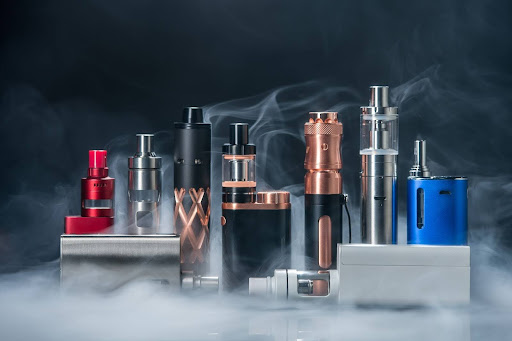
A vaporizer heats the material just enough to release compounds as vapor, without setting anything on fire. No combustion means no smoke and no ash.
Most dry herb vapes let you control the temperature, so you dial in flavor with more precision than a lighter could offer.
That gives you clean, even draws that taste like the material should, until the flavor tapers off after a few pulls.
A bong works by burning the material and pulling the smoke through water to cool it.
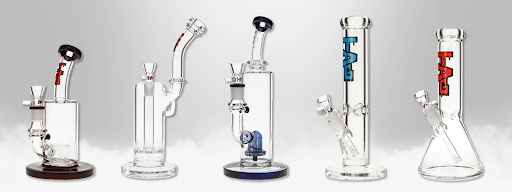
That bubbling action lowers the temperature and filters heavier particles. What comes up the tube is denser and more forceful. It feels full in the chest, with immediate presence.
The difference in feel is night and day.
Vaporizers are gentle and the draw is gradual. Bongs are dense and immediate. One is about finesse, the other about volume. Neither is wrong.
But if you expect the same sensation from both, you will be surprised until you understand why they differ.
The Big Three: Flavor, Feel, and Filtration
When it comes to choosing gear, three things matter most: flavor, feel, and filtration.
These are the core of the experience, how it tastes, how it draws, and what the water catches. Vaporizers and bongs both serve the same purpose, but they go about it in completely different ways.
Flavor: Clean Draws or Full Burn?
Vaporizers shine on flavor. With no open flame, you are not burning terpenes, you are vaporizing them.
That means a clearer, more accurate taste of the material. Piney notes taste piney, citrus reads as citrus. You will actually taste the difference between varieties.
But flavor fades fast. The first few draws off a dry herb vape are outstanding.
As the chamber heats and the oils evaporate, that bold flavor drifts. This is where bongs push ahead.
Bongs burn the whole bowl, and that combustion reaches your taste buds fast. You lose some nuance, but you gain a fuller, roasted character that a lot of people enjoy.
You might wonder why vapor feels lighter than smoke even with quality material.
Combustion carries heavier particulates you notice right away. Vapor, by comparison, is lighter and does not land with that same weight.
Feel: Smooth vs. Dense
There is no denying it, vaporizers are smooth. Almost too smooth for some people.
The cooler temperature and lack of smoke mean less coughing and a more gradual draw. That is great if you are easing in, less so if you want density.
Bongs deliver that density. You can feel the draw expand in your chest.
There is drag, volume, and a satisfying cloud. Add an ice pinch and you cool that smoke even further without losing the body. That cold draw with a bit of resistance is the sweet spot for a lot of experienced users.
That said, vapor can feel light if you are used to that density.
Some fix this by bumping the vape temp slightly or running vapor through a bong with a proper adapter, pairing smooth vapor with a familiar delivery.
Filtration: Smoke vs. Vapor Pathways
Here is where it gets technical.
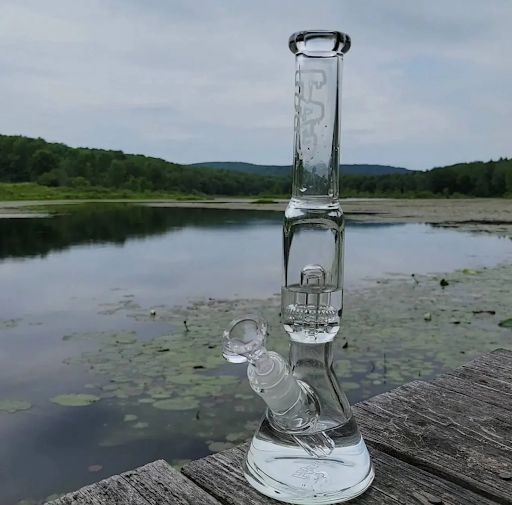
Bongs filter smoke through water, and that water pulls out ash, tar, and plant particles, so what comes up is cooler and cleaner than raw combustion.
Vaporizers do not need as much filtration because they are not combusting anything.
Still, a small amount of plant dust can pass the chamber screen. Some users route vapor through a bong to catch those particles, which also cools vapor that can otherwise be dry or hot.
If you care about efficiency, there is one more thing: reclaim.
Bongs can collect leftover residue in the water or a reclaim catcher. Vaporizers do not, since that material is vaporized rather than left behind.
This is why some people run both. It is not loyalty to one method, it is choosing the right tool for the moment, and sometimes that is a hybrid setup.
Odor, Cleanup, and What to Expect Long-Term
Vaporizers heat the material to the point where it turns to vapor without the plant actually burning. That means no ash or smoke to deal with.
Bongs filter smoke through water, which pulls out some heavier particulates and cools the draw. It is still combustion, so there is still smoke and residue to manage.
If you want a lower-maintenance, lower-odor routine, vaporizers make that easier.
A common question: do vaporizers leave residue the way smoke does? Much less. Since there is no combustion, there is far less buildup to clean.
Smell and Stealth
This one is easy. Vaporizers barely smell, especially at low to medium temps. The vapor does not cling to clothes, furniture, or walls.
Open a window and the smell is gone in minutes. Handy if you have roommates or just want to keep sessions discreet.
Compare that to a bong. That thick smoke lingers. It is earthy, pungent, and persistent.
You will want fans and airflow, and indoors it is hard to hide.
Maintenance and Cleaning
Again, a big difference. Vaporizers need little upkeep. A quick brush of the chamber, a wipe of the mouthpiece, and you are set. No resin running down the side.
Bongs are more work. Resin buildup is real, especially in percs, joints, and splash guards. If you are not cleaning often, the flavor suffers.
One customer put it simply: cleaning a bong is a chore, and vape cleanup is nothing in comparison. Hard to argue.
Cost, Durability, and Portability: The Buying Decision
When you invest in a piece, it is easy to focus on the fun stuff, how it draws and how it looks.
But once the novelty wears off, cost, portability, and durability start to matter more than you would expect, especially if you use your gear regularly.
Upfront vs. Long-Term Costs
Vaporizers usually cost more up front. A good portable unit runs $150 to $300.
But they are efficient with material. If you are not overpacking or cranking the temp, your material lasts longer, which adds up.
Bongs range from cheap imports to premium hand-blown pieces.
Quality is the thing to watch. A $40 thin-walled bong will probably chip or crack within months.
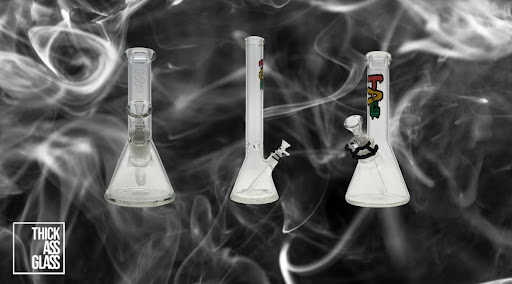
A beaker bong from Thick Ass Glass, with reinforced joints and a 12 to 16mm base, is built to outlast your couch.
People often ask whether vaping is cheaper once you factor in batteries and parts.
The honest answer is that it depends. Casual use, absolutely. For heavier use where batteries and stems get replaced, those parts stack up.
Portability and Lifestyle Fit
If you are always on the move, vaporizers win by a mile.
They slip into a pocket, need no lighter, and can be used discreetly almost anywhere. No glass clinking, no water to spill. For travelers or a quick session outside, it is the obvious choice.
That said, vaporizers have one seasonal flaw: batteries dislike the cold.
Below freezing, many units underperform. Bongs do not care what month it is.
And there is something timeless about the bong ritual.
Packing a bowl, the sound of the bubble, passing it around. It is a shared, tactile process.
Vaporizers feel clinical by comparison, especially in groups.
Durability
Vaporizers are tech. Batteries die, screens glitch, stems crack. It is not if, it is when. Fine if you are careful and do not mind occasional replacements.
High-quality bongs take more punishment.
One customer told us his piece survived a full drop onto concrete with nothing but a chipped bowl. Try that with a vaporizer and you are ordering a new one tomorrow.
In the end, the smarter purchase depends on how you live, not just how you run a session.
So Which One Should You Choose?
There is no universal winner here, only what works best for you.
If you want clean flavor, low odor, and a smoother, cooler draw, a vaporizer is the clear move. You will taste the material, stretch it further, and keep things discreet.
If you want dense clouds and the familiar rhythm of a water pipe, a bong delivers every time.
A lot of experienced users eventually pick up both, not because they are indecisive, but because each tool fits a different mood. Vapes are great for solo sessions and traveling light. Bongs bring the presence for a full-bodied session.
It is not a competition, it is a toolkit. Knowing when to use each is what makes the difference.
Start Where You Are, Upgrade as You Grow

You do not need to start with the most expensive setup, you just need the right one.
Ask yourself.
- Are you chasing flavor or volume?
- Do you care more about stealth or the feel of a deep, dense draw?
Whether your priority is flavor, density, or convenience, your choice should match how you like to run a session, not just what is trendy. We make no health claims either way.
And if you are stuck between the two, consider a hybrid setup. Running your vaporizer through a bong gives you clean flavor with that cool, familiar feel.
No matter where you are, we have gear built to last. Browse our collection of bongs at the Thick Ass Glass website.