


This guide covers glass and hardware for use with legal products only, in line with your state's laws. TAG makes no health claims about any material you choose to use.
Bongs have been around for centuries, and for good reason: they make the draw smoother and cooler. By filtering smoke through water, a bong reduces harshness and enhances flavor, delivering a draw that is cleaner than what you would get from a basic pipe.
But if you have ever shopped for a bong, you know the choices are overwhelming. Beakers, straight tubes, percolators, recyclers, how do you know which one is right for you? That is where I come in.
I have spent years engineering and testing glass, focused on the balance of function, durability, and design. Whether you are a beginner looking for your first piece or a veteran refining your collection, this guide covers everything.
- The bong basics
- The three key factors to consider when buying a bong (most people skip this and go straight to aesthetics, a big mistake)
- A breakdown of each type of bong so you can make an informed decision
No fluff, no gimmicks, just real knowledge to help you pick the best bong for your needs. Let us get started.
Bong Basics: What Is a Bong?
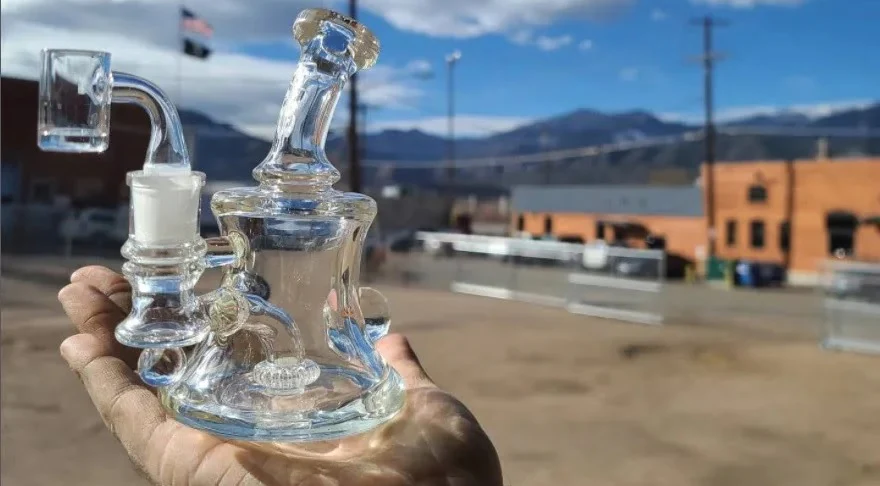
A bong is a water pipe designed to cool and filter smoke, making each draw smoother and less irritating than dry methods like pipes or rolling papers.
The concept is simple. As you draw, smoke is pulled through the water chamber, where it cools and gets stripped of some ash, tar, and harsh particulates. The result is a cleaner, more enjoyable draw.
But not all bongs are built the same. Some feature percolators, which refine the filtration further by breaking smoke into tiny bubbles, maximizing its contact with water for smoother, cooler draws. This is what separates a well engineered bong from a basic pipe. It is about function, not just aesthetics.
Key Factors to Consider When Buying a Bong
Bongs come in all shapes, sizes, and materials, and not all are built the same. If you want something that draws smoothly, lasts for years, and fits your lifestyle, pay attention to three key factors: material, design, and intended use. Let us break it down.
Material: Durability, Flavor, and Functionality
A bong's material determines its strength, flavor purity, and ease of maintenance. Here are the common types.
- Glass (The Gold Standard) - Borosilicate glass is the cleanest tasting, most heat resistant, and easiest to clean. But not all glass is equal. TAG's beakers feature bases up to 16mm thick, which means they are built to last. Most competitors use thin 3 to 6mm bases that break easily.
- Silicone (Good for Travel and Durability) - Unbreakable and flexible, great for festivals and outdoor use. However, silicone absorbs flavors over time, which affects taste.
- Ceramic (Best for Aesthetics and Heat Retention) - Offers nice designs and smooth draws, but opaque material makes water levels hard to monitor.
- Acrylic (Budget Friendly but Lower Quality) - Cheap, lightweight, and colorful, but can alter flavor and lacks heat resistance.
- Metal (Durable but Harsh on Flavor) - Very durable, but can alter the taste of your draws.
If flavor and function matter most, glass is the best option, especially TAG's ultra thick borosilicate, which balances purity, durability, and engineering precision.
Style and Design: How Shape Affects Performance
The shape of your bong affects how it draws, filters, and cools smoke. Here is what makes each design unique:
Beaker Bongs (Most Stable and Beginner Friendly)
- Wide base means less tipping over.
- Larger water chamber means smoother, cooler draws.
- TAG beakers are engineered with 12 to 16mm bases for durability.
- Best for smooth draws and stability.
Straight Tube Bongs (Best for Quick, Direct Draws)
- Minimal drag, clears quickly.
- Easy to clean, but less stable than beakers.
- Great for quick, direct draws.
Percolator Bongs (Best for Ultra Smooth Filtration)
- Uses percolators like tree, honeycomb, or matrix percs to break smoke into tiny bubbles for maximum filtration.
- TAG percolator bongs are engineered to optimize airflow, avoiding the drag and clogging of cheap percs.
- More percolation means smoother draws, but harder to clean.
Recycler Bongs (Best for Preventing Stale Smoke)
- Continuously cycles water, keeping each draw fresh.
- Prevents splashback while maximizing cooling.
- TAG's recyclers balance diffusion and smoothness.
Intended Use: Personal vs Social, Portability Needs
Your ideal bong depends on where and how you plan to use it:
Personal Use (Best for Solo Sessions)
Medium sized bongs (10 to 14 inches) offer the best balance of function and convenience. TAG's compact beakers and straight tubes suit solo users who want smooth draws without excess bulk.
Helpful Resources -> Bong Sizes Guide
Social Sessions (Best for Group Use)
Large beaker bongs and percolator heavy designs are ideal for bigger draws and better cooling. TAG's thick, reinforced bases hold up to durability even when passed around a room.
Portability (Best for On the Go)
Mini bongs, bubblers, and silicone bongs are great for travel. While TAG specializes in high quality glass, even the smaller designs are thick built for durability.
Bong Types
Ok, that was a lot of information. Let us get into the most common types of bongs.
Beaker Bongs
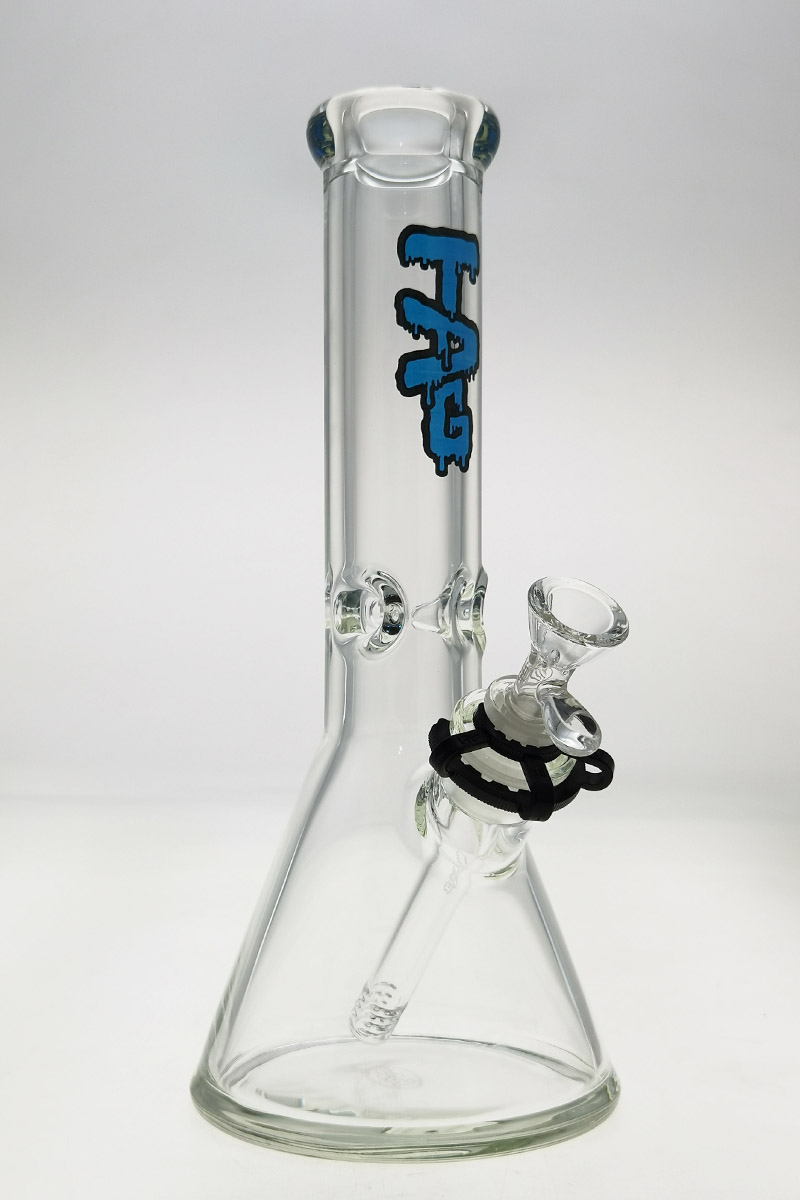
A beaker bong is one of the most recognizable and popular bong styles. Named after its laboratory beaker shape, this design features a wide, sturdy base that tapers into a straight neck. The extra water volume in the base allows for better filtration and smoother draws than straight tubes.
How to Recognize a Beaker Bong
- Wide, triangular base similar to a scientific beaker.
- Tall, straight neck with an ice pinch for cooling (on many models).
- Removable downstem with a slitted diffuser for better percolation.
Who Is a Beaker Bong Best For?
Beaker bongs suit beginners and daily users who want smooth, stable, easy to use glass. They are also great for anyone prone to knocking things over, since the wide base prevents tipping.
Pros
Stability, the wide base makes it less likely to tip. Smoother draws, more water volume for better filtration. Easy to clean, simple shape and removable downstem. Great for adding accessories, works well with percolators and ash catchers.
Cons
Bulkier than straight tubes, but that added stability means fewer accidents. Takes more water to fill, but more water means better filtration and cooler draws. Not as compact for travel, but perfect for home use.
For those who value smoothness, durability, and an easy setup, a beaker bong is one of the best investments you can make, especially built TAG thick with a base up to 16mm for durability.
Straight Tube Bongs

A straight tube bong is one of the simplest and most effective designs, featuring a cylindrical shape from base to mouthpiece. Unlike beakers, which have a wider bottom for stability, straight tubes are sleek, compact, and deliver fast clearing draws.
How to Recognize a Straight Tube Bong
- Tall, narrow, and completely straight from base to mouthpiece.
- Typically includes an ice pinch to cool smoke.
- Often features a removable downstem with a slitted diffuser for filtration.
Who Is a Straight Tube Bong Best For?
This design suits users who want quick, direct draws without drag. If you like no fuss sessions, a straight tube is the way to go. It is also a favorite among those who appreciate a minimalist, easy to clean piece.
Pros
Fast clearing draws, the straight shape allows quick airflow. Compact and portable, slimmer than a beaker. Easy to clean, fewer curves and chambers. Affordable, typically cheaper than multi chamber or percolator heavy designs.
Cons
Less stable than beaker bongs, but the slim design is easier to handle and store. Harsher draws than percolator bongs, suited to those who like direct draws. Lower water volume, less filtration but quicker clearing.
For those who love simplicity, efficiency, and a direct draw, a straight tube is a solid choice. The Thick Ass Glass Straight Tube uses reinforced joints and premium diffusion, making the experience even better.
Round Base Bongs
A round base bong blends the stability of a beaker with the compact simplicity of a straight tube. It features a spherical water chamber that allows for decent water volume and smooth filtration while staying lightweight and easy to handle.
How to Recognize a Round Base Bong
- Spherical or bubble like water chamber at the bottom.
- Narrow neck leading to the mouthpiece (often with an ice pinch for cooling).
- A removable downstem for diffusion (some models include basic percolation).
Who Is a Round Base Bong Best For?
This design suits users who want a retro look and a smoother draw without extra complexity. It is a good middle ground between beaker stability and straight tube efficiency.
Pros
Better stability than straight tubes, the round base holds more water. Classic retro look, popular among old school users. Easier to handle than large beakers. Affordable and low maintenance.
Cons
Less stability than a beaker bong, but lighter and easier to hold. Basic filtration compared to percolator bongs, good for those who want clean draws without much drag. Can tip if handled carelessly, though a well balanced design like TAG's minimizes this.
Tree Perc Bongs
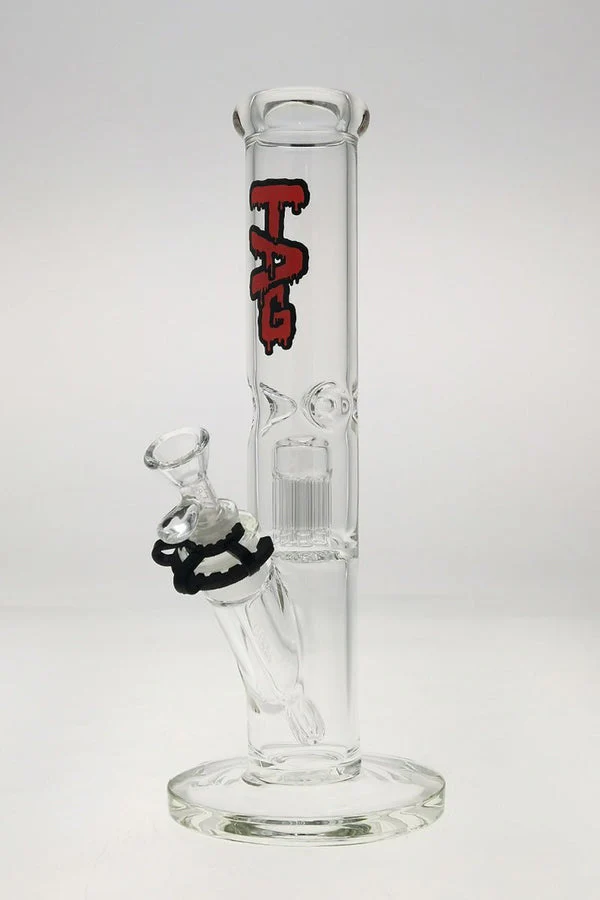
A tree percolator bong is instantly recognizable by its design, with multiple glass arms branching out like a tiny glass tree inside your bong. Smoke flows up through these branching arms, breaking into numerous small bubbles. This process cools and filters the smoke, resulting in very smooth draws.
Who Is a Tree Perc Bong Best For?
Tree perc bongs suit users who prioritize maximum filtration and smoothness. If you are tired of harsh draws, a tree perc might be your new favorite piece.
Pros: Superior filtration, more diffusion means smoother, cooler draws. Visual appeal, the intricate tree structure makes for an impressive conversation starter. Efficient cooling, multiple arms ensure thorough filtration.
Cons: Delicate structure, can be fragile, but fine if you handle your glass with care. More difficult to clean, many small parts can trap residue, but worth it for the smoothness.
For users seeking both function and impressive looks, a tree perc bong, especially from a quality focused brand like TAG, is a standout addition to your collection.
Multi Chamber Bongs
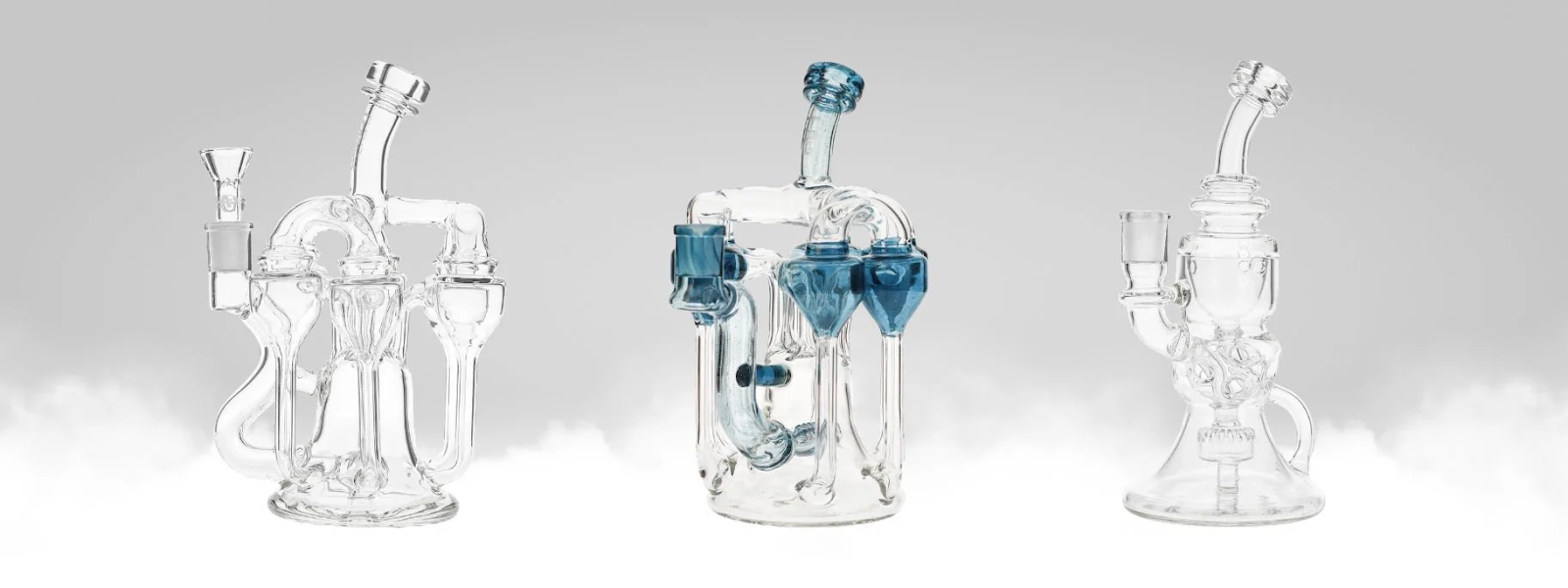
A multi chamber bong, sometimes called a dual chamber bong, is designed for extra smoke cooling and filtration. Instead of a single water chamber, it features two or more connected chambers, each with its own percolation system.
As smoke passes through multiple levels of water filtration, it becomes exceptionally smooth.
How to Recognize a Multi Chamber Bong
- Two or more separate water chambers connected by glass tubing.
- Percolators in each chamber to break up and filter smoke multiple times.
- Intricate glasswork that enhances both function and aesthetics.
Who Is a Multi Chamber Bong Best For?
These suit experienced users who prioritize smooth, cool draws and do not mind spending extra for more filtration. If you dislike harsh draws, this is your bong.
Pros
Smoothest possible draws, multiple layers of filtration mean ultra cooled smoke. Superior filtration, removes particulates better than single chamber designs. Visually impressive, complex glasswork makes these eye catching pieces.
Cons
Expensive, but worth it for those who want that level of filtration. Harder to clean, but regular maintenance keeps it performing at peak efficiency.
If you want the smoothest possible draw, a high quality multi chamber bong is a game changer, especially designed with TAG's precision engineered percolators and thick borosilicate glass.
Dab Rigs
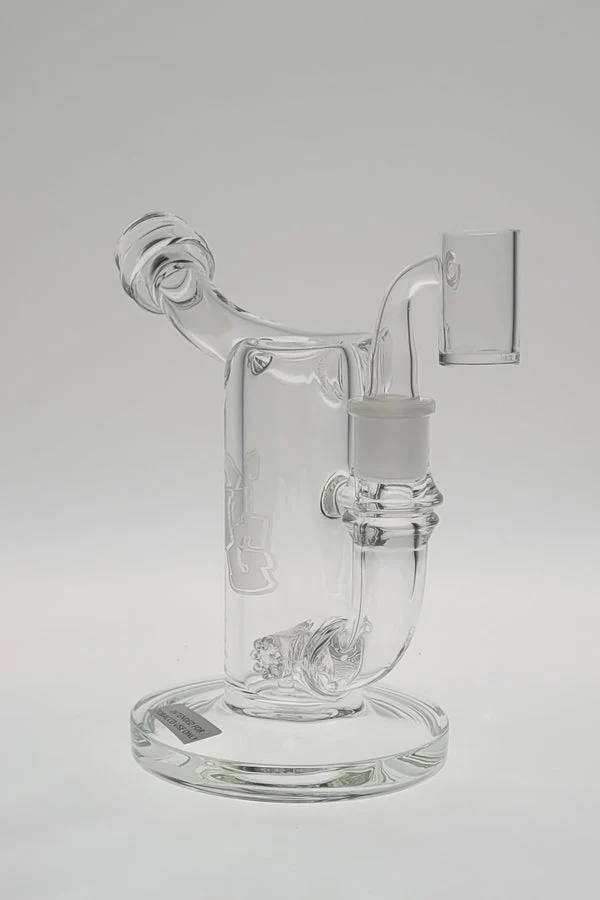
A dab rig, sometimes called an oil rig, is designed for vaporizing concentrates. Unlike traditional bongs that use a bowl, dab rigs use a quartz banger or nail, which is heated to high temperatures to vaporize concentrates. This method delivers clean, flavorful vapor.
How to Recognize a Dab Rig
- Usually smaller and more compact than traditional bongs.
- Equipped with a quartz or titanium banger or nail instead of a bowl.
- Often features specialized percolators designed to cool vapor without diminishing flavor.
Who Is a Dab Rig Best For?
Dab rigs suit concentrate users who prioritize flavor and efficiency. If you are after clean draws and enjoy the routine of heating a banger, a dab rig is your setup.
Pros
Maximum flavor, vaporization preserves flavors. Efficient use, delivers clean draws with minimal waste. Compact design, smaller rigs optimize vapor delivery and flavor.
Cons
Requires torch and accessories, but offers precision and flavor. Learning curve, suited to dedicated users who enjoy the routine.
For concentrate users, a high quality dab rig, especially one crafted by TAG with strong airflow and durable, thick borosilicate glass, delivers a solid vaporizing experience.
Recycler Bongs
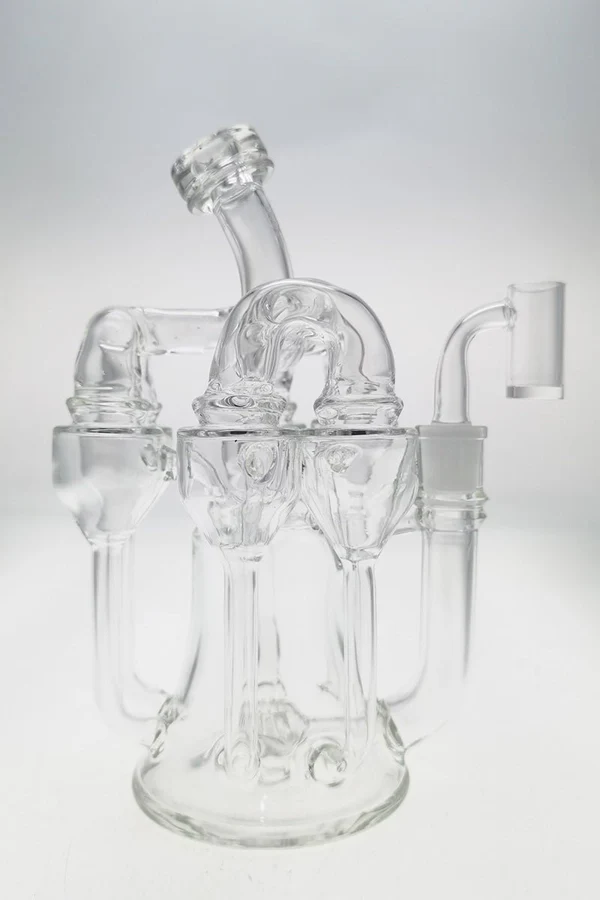
Item Pictured -> TAG 8" Donut Perc Sextuple Recycler Dab Rig (14MM Female)
A recycler bong takes multi chamber filtration further by continuously cycling water between chambers. This keeps smoke fresh and cool while preventing stale, harsh draws. Recyclers are especially popular for dab rigs but work equally well for dry herb.
How to Recognize a Recycler Bong
- Multiple chambers with looping tubes that cycle water continuously.
- No stagnant water sections, meaning each draw is fresh and cool.
- Often features percolators for extra filtration.
Who Is a Recycler Bong Best For?
Perfect for concentrate users and dry herb users who want the smoothest draw with no stale smoke. If you value purity and efficiency, this is for you.
Pros
Prevents stale smoke, water cycles continuously. Ultra smooth draws, the constant motion filters out harshness. Great for concentrates and dry herb, works well for both.
Cons
Complex design, but that engineering is what makes the draws so smooth. Higher cost, but a solid choice for users who want refined function.
A well designed recycler bong, like those from TAG, delivers strong performance and effortless airflow, making it a great choice for smooth draws.
Gravity Bongs
A gravity bong uses water pressure to move smoke into the chamber. Typically made from a water filled base and an upper chamber, these bongs create large, dense draws while using minimal material.
How to Recognize a Gravity Bong
- Uses water to move smoke into the chamber instead of traditional percolation.
- Can be DIY (buckets, bottles) or high end glass versions.
- Produces large, concentrated draws.
Who Is a Gravity Bong Best For?
Suited to experienced users who want large, efficient draws with minimal material. If you value efficiency, this is your go to.
Pros
Maximum efficiency, uses less material for bigger draws. Large, dense draws, not for the faint of heart. DIY friendly or premium options, can be homemade or professionally crafted.
Cons
Harsh for beginners, but suited to experienced users who want intensity.
If you want efficiency and large draws, a TAG gravity bong delivers the experience you are looking for.
Mini Bongs
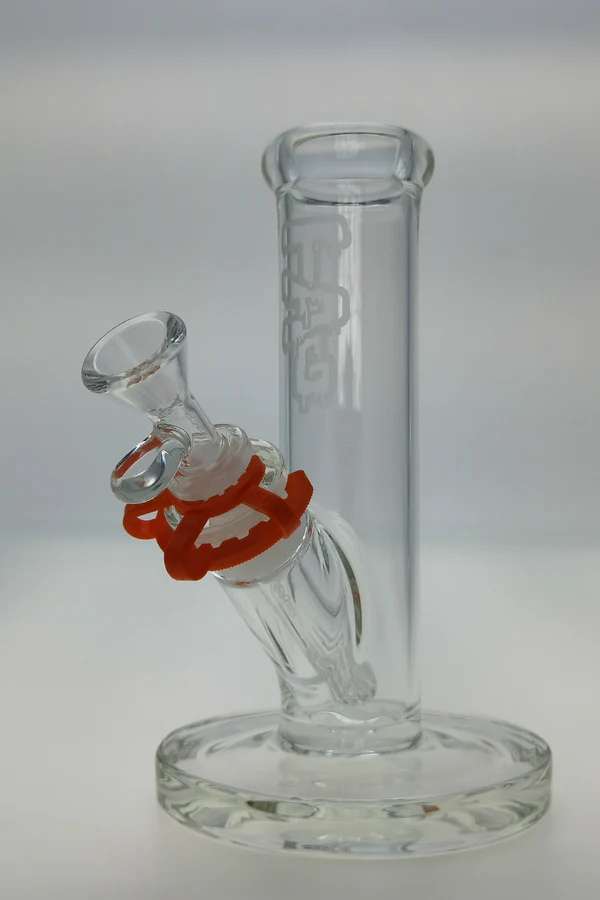
Product Featured -> TAG 8" Straight Tube Bong 44x4MM 18/14MM Downstem (3.50")
A mini bong is a scaled down version of a traditional bong, offering portability and efficiency without sacrificing too much filtration.
How to Recognize a Mini Bong
- Usually under 8 inches tall.
- Smaller water chamber for easier portability.
- Typically a simplified version of a larger bong style (beaker, straight tube).
Who Is a Mini Bong Best For?
Great for on the go users, those with limited space, or casual users who do not need a large, elaborate setup.
Pros
Compact and portable, easy to store, carry, and use anywhere. Affordable, cheaper than larger, complex bongs. Less water and maintenance, quick and easy to clean.
Cons
Smaller water chamber means harsher draws, but great for those who like direct draws.
For those who want simplicity and convenience, TAG's thick mini bongs provide durability and function in a travel friendly package.
Novelty Bongs
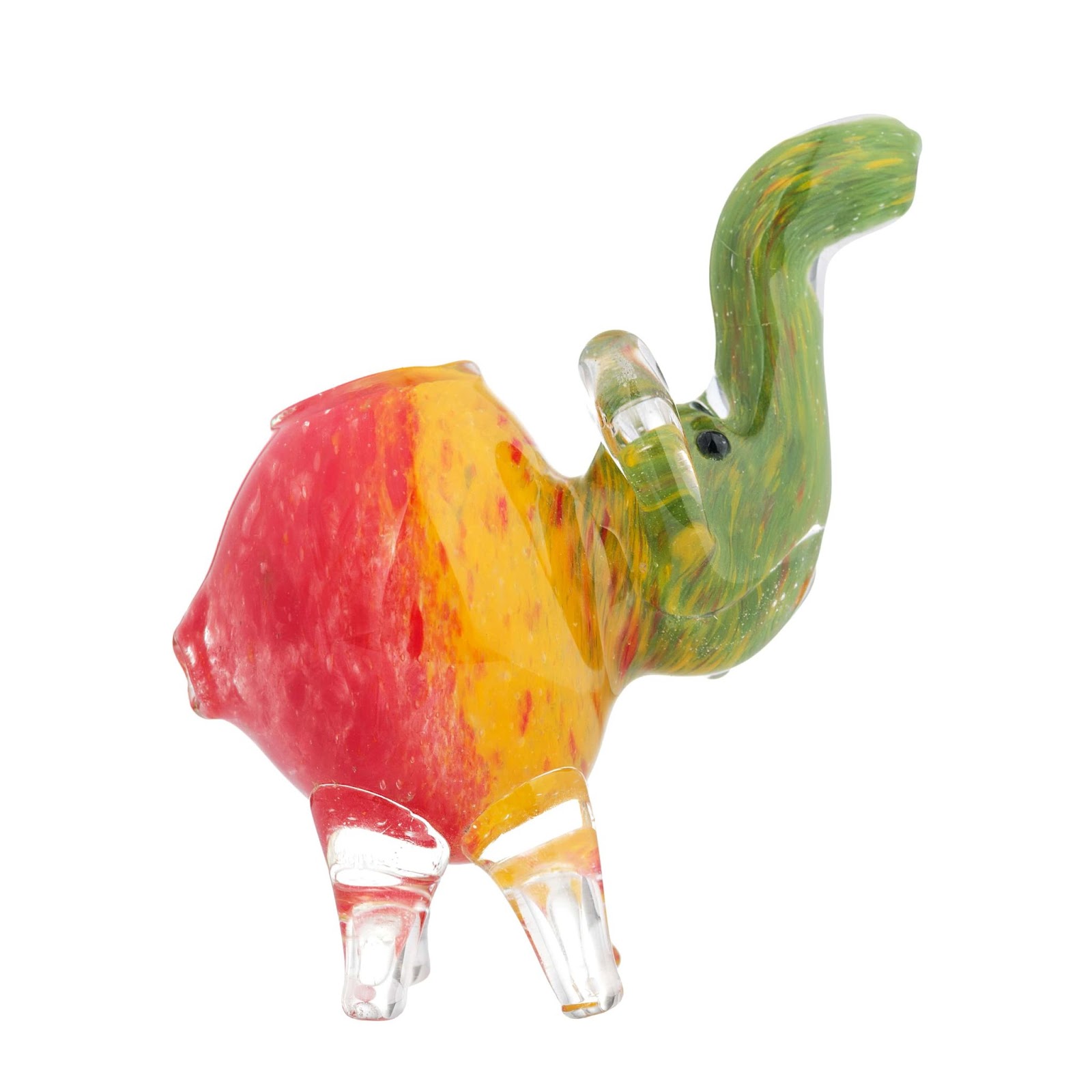
Let us be real. We are throwing this one on the list almost more for fun than function. Novelty bongs are not about scientific precision, optimized airflow, or ultra smooth filtration. They are about making a statement.
Whether you want a piece shaped like a skull, an alien, a wizard's staff, or some fusion of all three, novelty bongs are for those who prefer their glassware with a side of ridiculousness.
How to Recognize a Novelty Bong
- Shaped like anything but a normal bong, from characters to animals to food.
- Hand painted or sculpted with personality.
- Probably makes your friends ask where you even got it.
Who Is a Novelty Bong Best For?
Collectors, casual users, or anyone who wants their bong to be the life of the party and possibly double as a coffee table centerpiece.
Pros
Visually unique, you get to own a bong shaped like a T Rex. Fun for social settings, a guaranteed conversation starter. Collectible appeal, some high end novelty bongs actually increase in value.
Cons
May compromise performance, but are you really buying a ceramic novelty piece for airflow perfection?
If you want function and precision engineering, stick with a TAG beaker bong. But if you want something with personality, we respect your choices.
Electric and Smart Bongs
An electric bong avoids combustion by using precise temperature control to vaporize material. This results in a cleaner draw without harsh smoke.
How to Recognize an Electric Bong
- Battery powered with digital controls.
- Uses temperature regulation instead of flame combustion.
Who Is an Electric Bong Best For?
Suited to tech minded users who prefer clean, efficient vaporizing over traditional smoke.
Pros
Clean vaporization, no direct combustion. Precise temperature control, tailor your session exactly how you like it.
Cons
Expensive, but worth it for those who want a clean, efficient draw.
If you want current technology in your sessions, an electric bong is worth a look.
Ice Bongs
If you have ever taken a harsh draw that made you reconsider, an ice bong might be your new best friend. Designed with ice pinches (also called ice catchers), these bongs let you stack ice cubes inside the neck, creating a cooling effect that reduces harshness and makes every draw smoother.
How to Recognize an Ice Bong
- Ice pinches in the neck (three small indentations to hold ice above the water).
- Taller design to allow for ice stacking (usually 12 inches or more).
- The sound of clinking ice as you tilt it.
Who Is an Ice Bong Best For?
Suited to users who dislike harshness and want the smoothest, coolest draws possible. If you always reach for a cold drink afterward, an ice bong is calling your name.
Pros
Reduces harshness, cooler smoke is easier to draw. Ultra smooth draws, the longer the smoke cools, the better it feels. Works with any setup, ice pinches do not interfere with percolators, so you can stack the cooling effect.
Cons
Requires frequent ice changes, but a small price for that crisp, cool draw.
Most Thick Ass Glass beakers have ice pinches for holding ice cubes, though a few do not because some customers prefer them that way. For the coolest draw, most enjoy adding ice to their piece.
These ice pinches, also known as ice catchers, hold ice cubes securely in the neck of the bong, letting the smoke cool as it passes over the ice for a smoother draw.
Simply add ice cubes into the neck of your TAG beaker bong, and the integrated ice pinches will keep them in place during your session.
Bong Materials

The material of your bong impacts durability, flavor, and overall experience. Some materials, like glass, offer pure flavor and smooth function, while others, like silicone, prioritize durability. Whether you are after looks, portability, or affordability, understanding the pros and cons of each material helps you make the best choice.
Glass Bongs (The Gold Standard)
Glass bongs, especially borosilicate glass, are the industry standard due to clean flavor, heat resistance, and smooth airflow. Unlike cheap soda lime glass, borosilicate is durable and less prone to cracking from temperature changes.
Pros
Purest flavor, glass does not alter taste. Easy to clean, resin buildup is visible and removable. High quality borosilicate glass (like TAG's) is thick and durable.
Cons
Can break if dropped, but TAG's ultra thick glass reduces this risk. Less portable than silicone, but great for home use and longevity.
If you want smooth draws, good function, and long term reliability, a high quality glass bong is your best bet.
Silicone Bongs
Silicone bongs are nearly indestructible, which makes them ideal for travel, festivals, and clumsy users. Unlike glass, silicone will not crack or shatter if dropped, and it is easy to pack away.
Pros
Durable and hard to break, great for on the go use. Flexible and lightweight, easy to store and carry. Affordable, costs less than thick glass options.
Cons
Retains flavors over time, but great for those who prioritize durability over taste. Less premium feel, but suited to casual use or rough environments.
If you need a rugged, worry free bong, silicone is a solid choice, though nothing beats glass for flavor and function.
Ceramic Bongs
Ceramic bongs offer unique looks and good heat retention, which makes them a favorite for collectors and old school users. Unlike glass, ceramic is opaque, so you cannot see smoke or water levels.
Pros
Holds heat well, providing smooth, consistent draws. Visually appealing, often handcrafted with artistic designs. Non porous surface, will not absorb resin like some materials.
Cons
Fragile and opaque, but great for home use and looks. Not as common as glass, but a fun, collectible alternative.
If you want a stylish, functional piece that retains heat well, ceramic is a great option, just be mindful of its delicate nature.
Acrylic Bongs
Acrylic bongs are the most affordable option, which makes them great for beginners. However, acrylic is not as heat resistant as glass or ceramic, and it can alter the taste of your draw.
Pros
Extremely affordable, ideal for budget conscious users. Durable and lightweight, will not break as easily as glass. Colorful and customizable, comes in various styles and shapes.
Cons
Impacts flavor, but great for those who just want a basic, cheap bong. Prone to scratches and wear, but fine for casual or temporary use.
If you are new to bongs or need a backup piece, acrylic can work, but serious users usually upgrade to glass.
Steel Bongs
Steel bongs are nearly impossible to break, which makes them ideal for durability focused users. However, metal can alter the taste, and you cannot see water levels, which can make cleaning trickier.
Pros
Very durable, perfect for extreme durability. Retains cool water temperatures, offering a refreshing draw. Easy to clean, does not crack or stain.
Cons
Affects flavor, but ideal for those who prioritize durability over taste. Lacks transparency, but perfect for rough environments or long term reliability.
For those who want a hard to break bong, steel is unbeatable, but glass remains the best for taste and function.
How to Choose the Right Bong for Your Needs
Smoothest Draws: Multi Chamber or Honeycomb Bongs
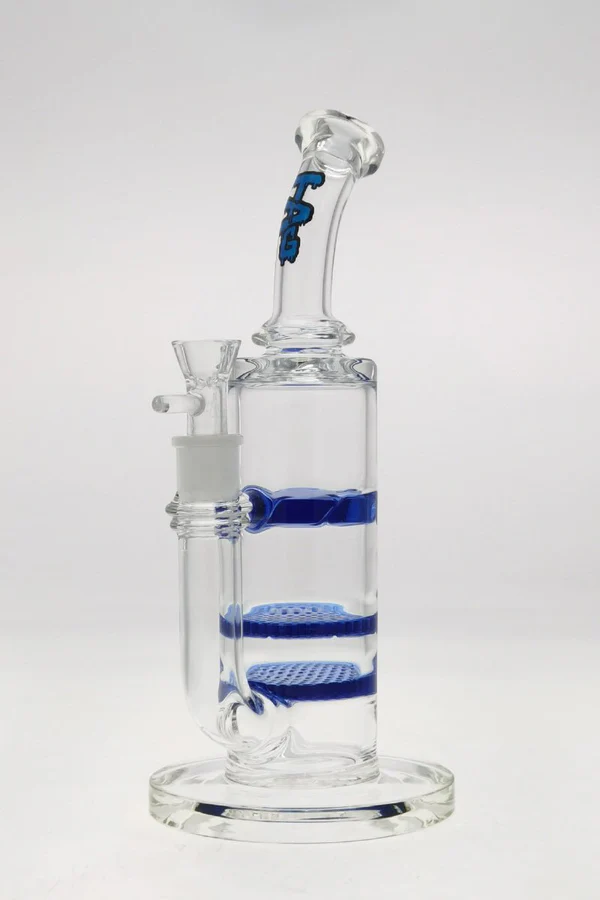
If you want the smoothest, most refined draws, multi chamber bongs and honeycomb percolator bongs are your best bet. Multi chamber bongs filter smoke through multiple water levels, while honeycomb percs create thousands of microbubbles for maximum diffusion. These designs reduce harshness, making them ideal for users who prioritize smoothness.
Ease of Cleaning: Straight Tube or Modular Bongs
For hassle free cleaning, stick to straight tube bongs or modular designs. Straight tubes have no extra chambers to trap resin, while modular bongs can be disassembled for deep cleaning. If you want easy maintenance without sacrificing performance, these options keep your bong fresh with minimal effort.
Durability: Silicone or Hybrid Bongs
If you are prone to accidents, silicone bongs and hybrid glass silicone models are hard to break. Silicone bends instead of breaking, making it good for travel or rough environments. Hybrid designs give you the best of both worlds, glass function with added durability.
Portability: Mini Bongs or Bubblers
Need something compact and travel friendly? Mini bongs and bubblers deliver solid draws in a small package. Mini bongs function like full sized pieces but are easy to pack, while bubblers combine pipe convenience with water filtration. Ideal for on the go users who want smooth draws without the bulk.
Budget Friendly Options: Acrylic or DIY Bongs
For those on a tight budget, acrylic bongs and DIY setups get the job done without breaking the bank. Acrylic bongs are cheap and lightweight, while DIY bongs like gravity setups are great for quick draws. If cost is your main concern, these are solid choices.
Who Makes the Best Bongs?

Now that you know about bong types, the only next question is this. Who makes the best bongs?
That is really a matter of personal preference, but you cannot go wrong with a bong made by TAG, as they are durable, stylish, and come in a variety of shapes and styles. Whether you are new or a seasoned veteran, you will be able to find a bong you love from TAG.